Invoice Numbering That Works
Why a boring, sequential reference format is the most useful decision you will make.
Invoicing software · One-time packages · Digital delivery
A simple structure for invoice records that stays readable a year later.
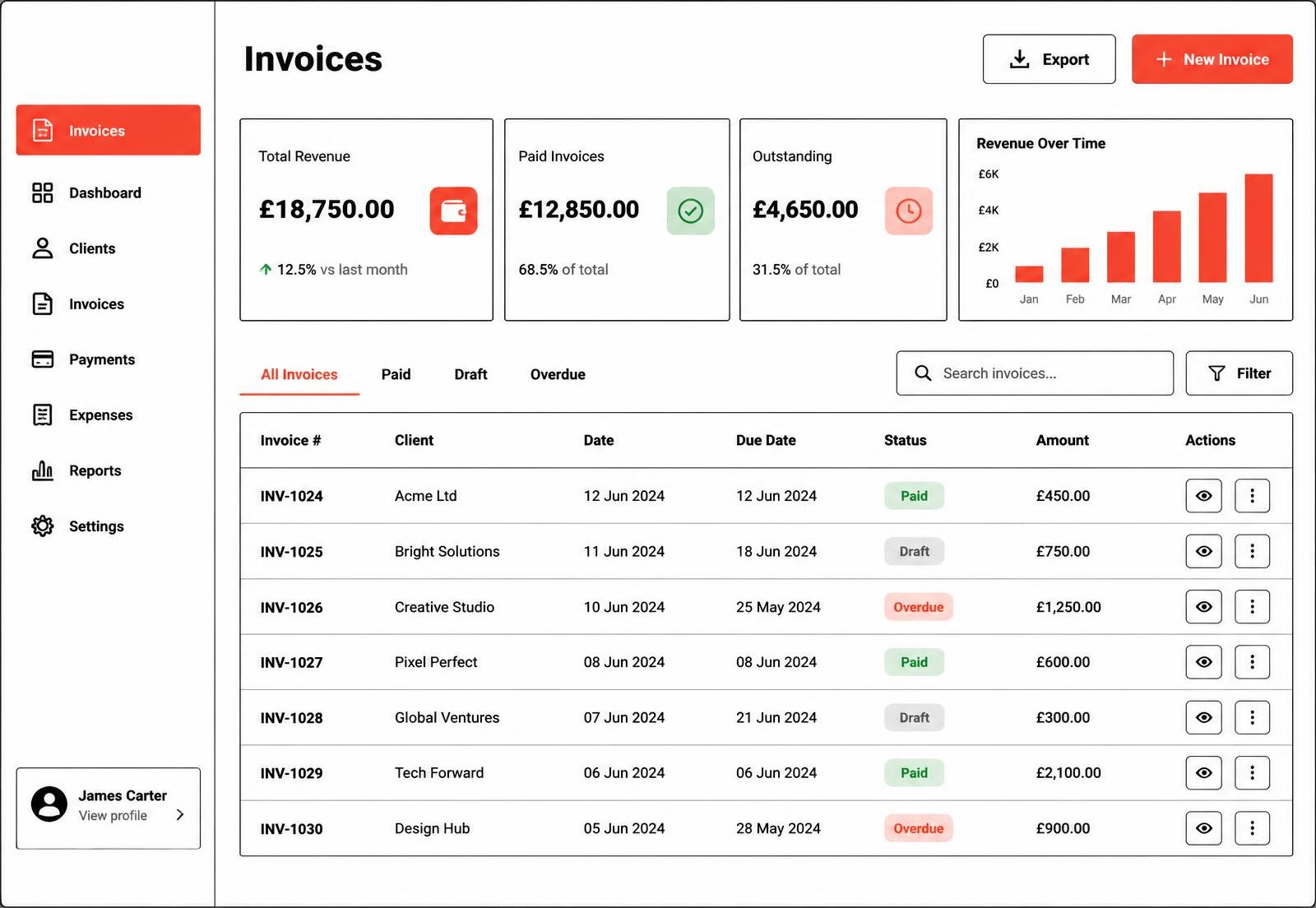
Every record should carry a reference, an issue date, a due date, a customer link, the items billed and a status. If any of those live somewhere else, the record is incomplete and you will end up searching for the missing part later.
Choose one place where invoice information lives and move everything into it. Two half-complete systems create more work than one imperfect system, because every question has to be asked twice.
Active records are the ones you are still waiting on. Once payment is recorded and the work is closed, archive the record. A short active list is far easier to review honestly.
A single sentence explaining an unusual discount or a rescheduled payment saves an uncomfortable conversation months later.
A weekly ten-minute pass over statuses and due dates keeps the records accurate. Accuracy is what makes the whole structure worth having.
Invoicing becomes easier when the structure around it is predictable. InvoiceHarbour Cloud provides that structure: a place for customers, invoice records, service items, due dates and payment notes. It organises the information; the commercial decisions remain yours.
This article is general information about business administration. It is not accounting, tax or legal advice.
Why a boring, sequential reference format is the most useful decision you will make.
Draft, sent, due, paid, overdue: what each status should actually mean.
Clear terms recorded in the right place prevent most billing disputes.
Compare the six InvoiceHarbour Cloud packages and choose the record capacity, workflow features and setup support that match how you invoice.