How to Organise Invoice Records Properly
A simple structure for invoice records that stays readable a year later.
Invoicing software · One-time packages · Digital delivery
Billing details drift. A short maintenance habit keeps them usable.
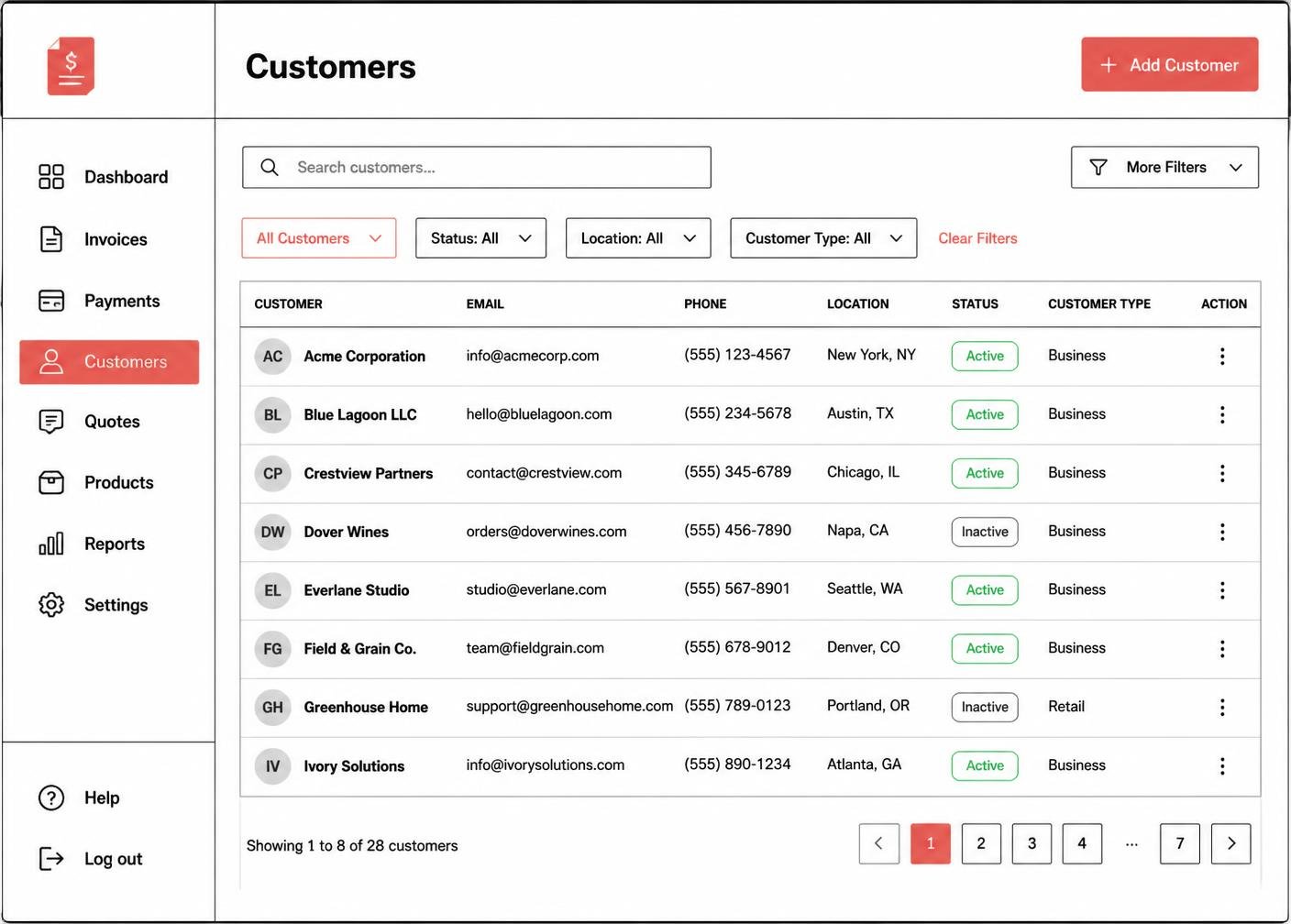
The person you work with is often not the person who processes payment. Record both, and note which address invoices should go to.
Invoices addressed to a slightly wrong legal name cause avoidable delays in larger organisations. Copy the name from something official.
Where a client requires a purchase-order reference, an invoice without it will not be paid. Record it against the customer once.
People change roles. A ten-minute review of your top ten customers prevents invoices arriving in dormant inboxes.
Customer notes may be read by others or exported. Keep them practical and professional.
Invoicing becomes easier when the structure around it is predictable. InvoiceHarbour Cloud provides that structure: a place for customers, invoice records, service items, due dates and payment notes. It organises the information; the commercial decisions remain yours.
This article is general information about business administration. It is not accounting, tax or legal advice.
A simple structure for invoice records that stays readable a year later.
Why a boring, sequential reference format is the most useful decision you will make.
Draft, sent, due, paid, overdue: what each status should actually mean.
Compare the six InvoiceHarbour Cloud packages and choose the record capacity, workflow features and setup support that match how you invoice.